Publications
Three full-length guides, alongside the articles below.
A Moment to Think

EASE 9.0
Deep analysis on marketing technology, infrastructure transformation, and enterprise strategy in the agent era.
Publications
A Moment to Think
EASE 9.0
In July, the US rewarded the UAE's support in the Iran war with unrestricted chip access. Saudi Arabia, with the same capital and the same ambition, did not get the same call.
A data center inside a border buys residency, not sovereignty. The chips, the model license and the operator's home government still decide what happens next, and three live 2026 cases prove it.
Six months after strikes hit its Gulf facilities, AWS confirmed on September 15 that some of the data isn't coming back.
Multi-AZ redundancy assumes a single-facility accident. A regional war isn't one. AWS's own explanation of what happened in Bahrain and one UAE zone is the whole lesson: a backup only counts if the event that could reach the primary genuinely can't reach it too.
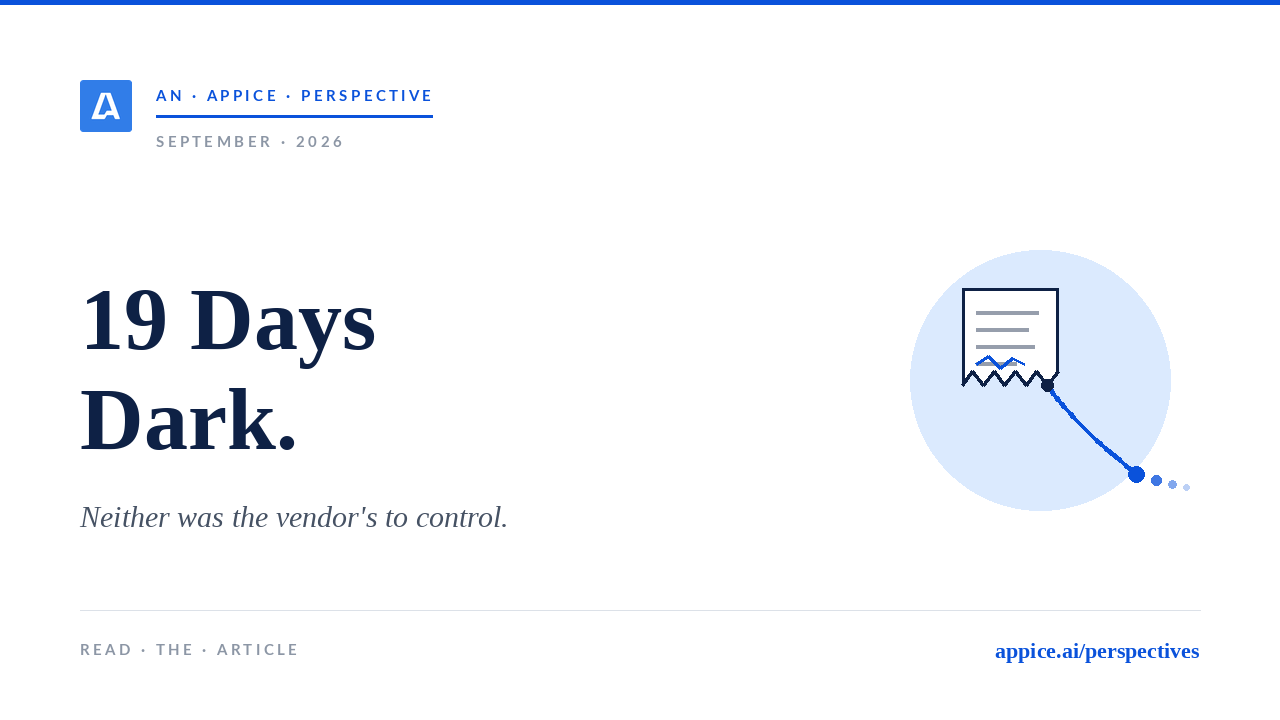
Anthropic's models were dark for 19 days. AWS's Gulf data centers went down for 48 hours. Neither was the vendor's to control.
Two real 2026 shocks, Anthropic ordered by its own government to cut off foreign users, AWS's Gulf data centers hit during the Iran conflict, show why the actual defense isn't a better contract. It's how fast you can move once one lands.
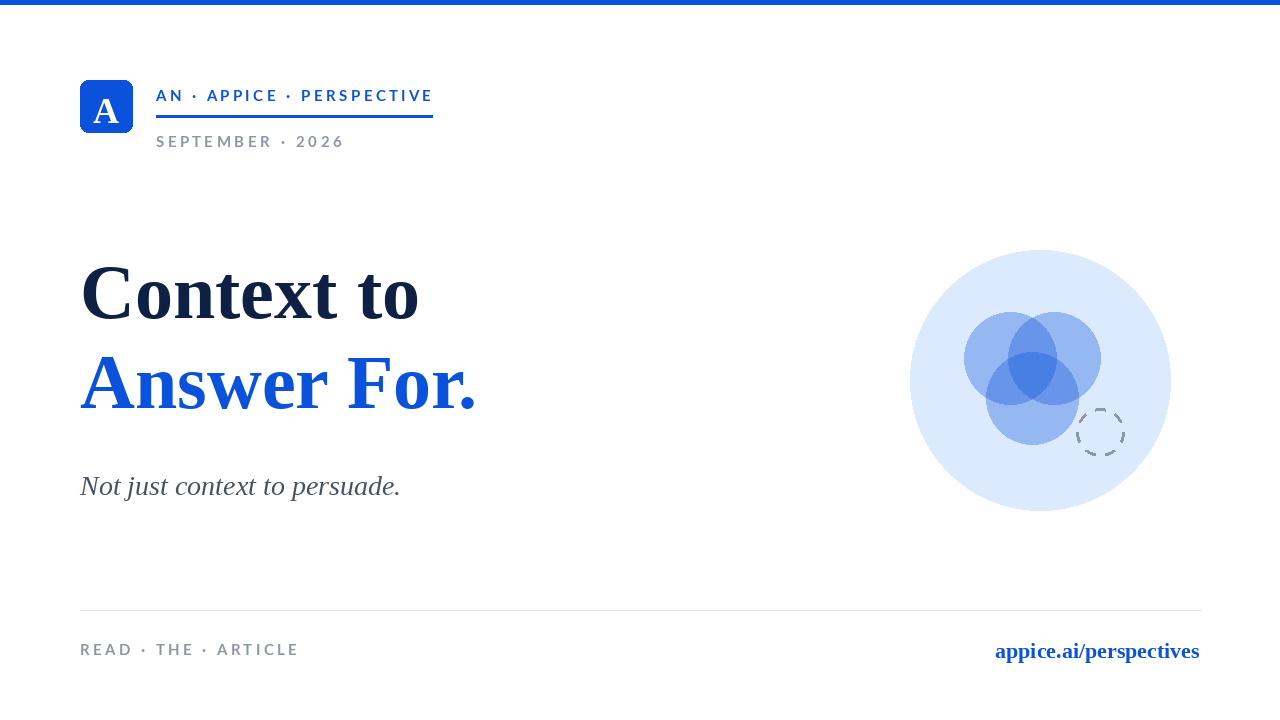
Context is the word every serious account of AI is reaching for this year. But which kind, built to persuade, or built to answer for?
Golden Context is a real advance, three signals combined to persuade better. But persuading someone and being able to explain how that decision was reached are different jobs, and only one of them has to survive being asked about later.
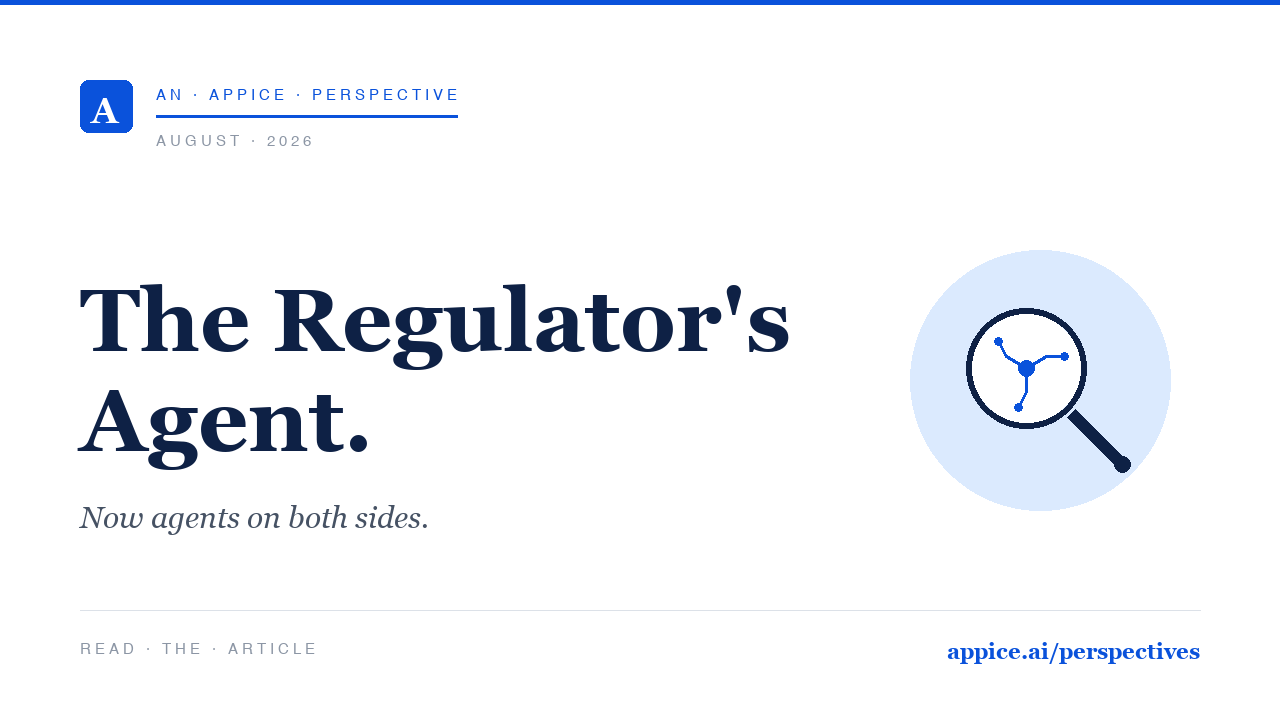
The tussle between the bank's humans and the regulator's humans has run for a century. Both sides are getting agents.
Not a race. Neither side is ahead. The point is that the game itself is moving to machine speed. What breaks, what survives, and why the compliance function that wins isn't the one with better humans.

Infrastructure agility is no longer optional. It's how you survive geopolitical reality.
Enterprises are building infrastructure agility. But their MarTech vendors are locking them in anyway. The AWS Middle East outage proved it.
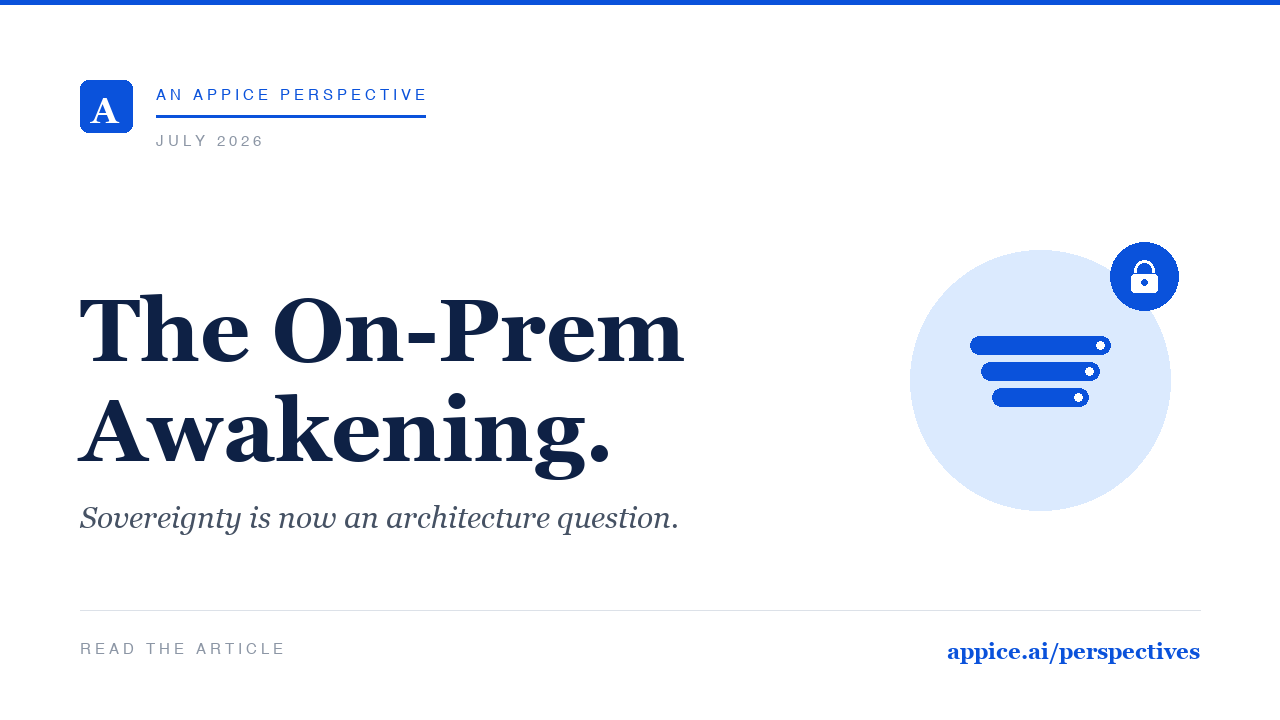
The cloud promised agility. It delivered scale. But something shifted in the last 18 months.
Enterprise architecture is bifurcating. Cloud isn't replacing on-prem systems, it's extending them. And for martech vendors, this is a fundamental challenge.
The buyers are different now. And martech vendors are still selling to the old personas.
Martech procurement has shifted from demand generation leaders to infrastructure engineers. This isn't a reorg. It's a fundamental change in how software gets evaluated.
ID resolution was the problem to solve. Now it's just table stakes.
The enterprise martech stack is moving past audience matching into something far more complex: real-time decisioning. And the systems that built it are starting to show their limits.
The audience isn't human anymore. It's algorithmic. And that changes everything.
AI agents are becoming decision-makers in the customer journey. This fundamentally changes how marketers think about segmentation, personalization, and campaign strategy.